

WATCH VIDEO BELOW
Cortisol and Weight Gain in Women Over 40: Why Both High and Low Cortisol Can Cause Stubborn Fat
If you’ve gained 10, 15, maybe even 30 pounds and nothing you’re doing seems to work anymore, this conversation may feel personal.
Many women over 40 feel like their body suddenly stopped responding to the strategies that used to work. Dieting harder, exercising more, and pushing through fatigue often leads to even more frustration.
One of the most overlooked reasons for this shift is the relationship between cortisol and weight gain in women over 40.
Most conversations oversimplify cortisol. You may have heard that high cortisol causes belly fat. While that can be true, the full picture is more nuanced.
Both high cortisol and low cortisol can contribute to stubborn weight gain.
Understanding how cortisol works in the body can completely change how you approach fat loss after 40.
What Is Cortisol and Why Does It Matter?
Cortisol is often called the “stress hormone,” but that description is incomplete.
Cortisol is a survival hormone produced by your adrenal glands. It helps regulate:
- Energy production
- Blood sugar levels
- Inflammation
- Sleep-wake cycles
- Metabolism
- Stress response
Cortisol follows a natural circadian rhythm.
A healthy cortisol rhythm typically looks like this:
- Higher levels in the morning to wake you up
- Gradual decline throughout the day
- Lowest levels at night to support sleep
When this rhythm is working properly, it supports metabolism and fat burning.
When the rhythm becomes disrupted, it can contribute to cortisol and weight gain, especially in women over 40.
How High Cortisol Can Cause Weight Gain
Chronically elevated cortisol is commonly linked to increased abdominal fat.
Research published in journals such as Psychoneuroendocrinology and The Journal of Clinical Endocrinology & Metabolism shows that prolonged cortisol elevation can promote fat storage, particularly around the midsection.
High cortisol can lead to:
- Increased visceral fat storage
- Muscle breakdown
- Blood sugar instability
- Insulin resistance
- Increased appetite and cravings
When cortisol remains elevated for long periods, the body shifts into protection mode.
Instead of prioritizing fat burning, the body begins storing energy as fat.
This is one reason cortisol and weight gain often appear together in women over 40 who are experiencing chronic stress.
The Overlooked Cause: Low Cortisol and Weight Gain
What many people don’t realize is that low cortisol can also contribute to weight gain.
After years of chronic stress, the body may adapt by reducing cortisol output. This is often referred to as dysregulation of the hypothalamic-pituitary-adrenal (HPA) axis.
Instead of experiencing sharp cortisol spikes, cortisol levels become flattened throughout the day.
Signs of a flattened or low cortisol pattern may include:
- Low morning energy
- Difficulty waking up
- Increased reliance on caffeine
- Sugar cravings
- Brain fog
- Reduced metabolic flexibility
- Fat accumulation despite dieting
Research on HPA axis dysregulation shows that flattened cortisol patterns are associated with increased body fat and metabolic disruption.
So whether cortisol is excessively high or chronically low, the outcome can be similar: stubborn weight gain in women over 40.
Why Women Over 40 Experience Cortisol and Weight Gain More Often
Hormonal shifts play a significant role.
During perimenopause and menopause, estrogen levels fluctuate and gradually decline.
Estrogen normally buffers many of cortisol’s effects in the body.
When estrogen decreases, cortisol’s impact on metabolism becomes amplified.
This can lead to:
- Greater fat storage around the abdomen
- Increased insulin resistance
- Greater sensitivity to stress
- More difficulty losing weight
This is one of the key reasons cortisol and weight gain become more common in women over 40.
Emotional Stress Also Affects Cortisol
Cortisol is not triggered only by physical stress.
The brain reacts similarly to emotional stress.
Your nervous system does not differentiate between:
- Running from a physical threat
- Worrying about work
- Relationship stress
- Family responsibilities
- Financial pressure
Functional MRI studies show that emotional stress activates the same hypothalamic pathways that stimulate cortisol release.
In other words, unresolved emotional stress can have real metabolic consequences.
Why Trying Harder Can Make Weight Loss Worse
Many women respond to stubborn weight gain by trying harder.
They may:
- Increase cardio workouts
- Cut calories dramatically
- Skip meals
- Add more high-intensity exercise
Unfortunately, these strategies can worsen cortisol imbalance.
When the body perceives more stress, it increases protective responses that slow fat loss.
This is why many women over 40 feel trapped in a cycle where more effort produces fewer results.
The Key to Breaking the Cortisol and Weight Gain Cycle
Before trying to burn fat, the body needs to feel safe again.
The first priority should be restoring cortisol rhythm.
Instead of focusing on extreme dieting or intense exercise, the goal should be stabilizing the body’s internal signals.
Simple strategies that support healthy cortisol rhythm include:
- Getting natural sunlight within 30 minutes of waking
- Eating protein early in the day
- Stabilizing meal timing
- Improving sleep quality
- Reducing late-night screen exposure
Even small changes can help regulate the body’s natural hormone patterns.
Morning Light and Cortisol Regulation
One of the most powerful signals for regulating cortisol rhythm is natural light exposure.
Research published in Chronobiology International shows that early morning light helps synchronize the body’s circadian rhythm.
Morning light helps:
- Stabilize cortisol peaks
- Improve energy levels
- Support metabolic regulation
- Improve sleep quality later in the evening
Even five minutes of sunlight shortly after waking can send a strong signal to your brain that it’s morning.
Protein Timing and Blood Sugar Stability
Another important factor for women experiencing cortisol and weight gain is protein intake.
Eating adequate protein early in the day helps stabilize blood sugar and reduce excessive cortisol spikes.
Benefits of eating protein earlier in the day include:
- Reduced cravings
- Better blood sugar control
- Improved metabolism
- Increased satiety
Many people start their day with caffeine instead of nourishment, which can increase stress signals in the body.
Balancing protein intake can help restore metabolic stability.
Can Over-Exercising Increase Cortisol?
Exercise is beneficial, but excessive training can increase cortisol.
High-volume endurance training and frequent high-intensity workouts can raise baseline cortisol levels.
This may contribute to stubborn fat storage in individuals who are already experiencing stress.
Signs that exercise may be increasing cortisol include:
- Constant fatigue
- Poor recovery
- Increased hunger and cravings
- Difficulty losing belly fat
- Sleep disruption
For many women over 40, structured strength training combined with moderate activity is often more effective than constant high-intensity workouts.
The Role of Inflammation in Cortisol Dysregulation
Another contributor to cortisol imbalance is chronic inflammation.
Inflammatory cytokines such as IL-6 can stimulate cortisol production.
Several lifestyle factors can increase inflammation, including:
- Highly processed foods
- Poor sleep
- Alcohol overuse
- Gut health issues
- Chronic stress
Reducing inflammation often helps lower the body’s overall stress load.
Why Your Body Is Not Broken
One of the most important things to understand about cortisol and weight gain is that your body is not working against you.
Your body is responding to signals.
When cortisol becomes dysregulated, your body prioritizes survival over aesthetics.
Once stability and safety signals are restored, fat loss often becomes a natural byproduct.
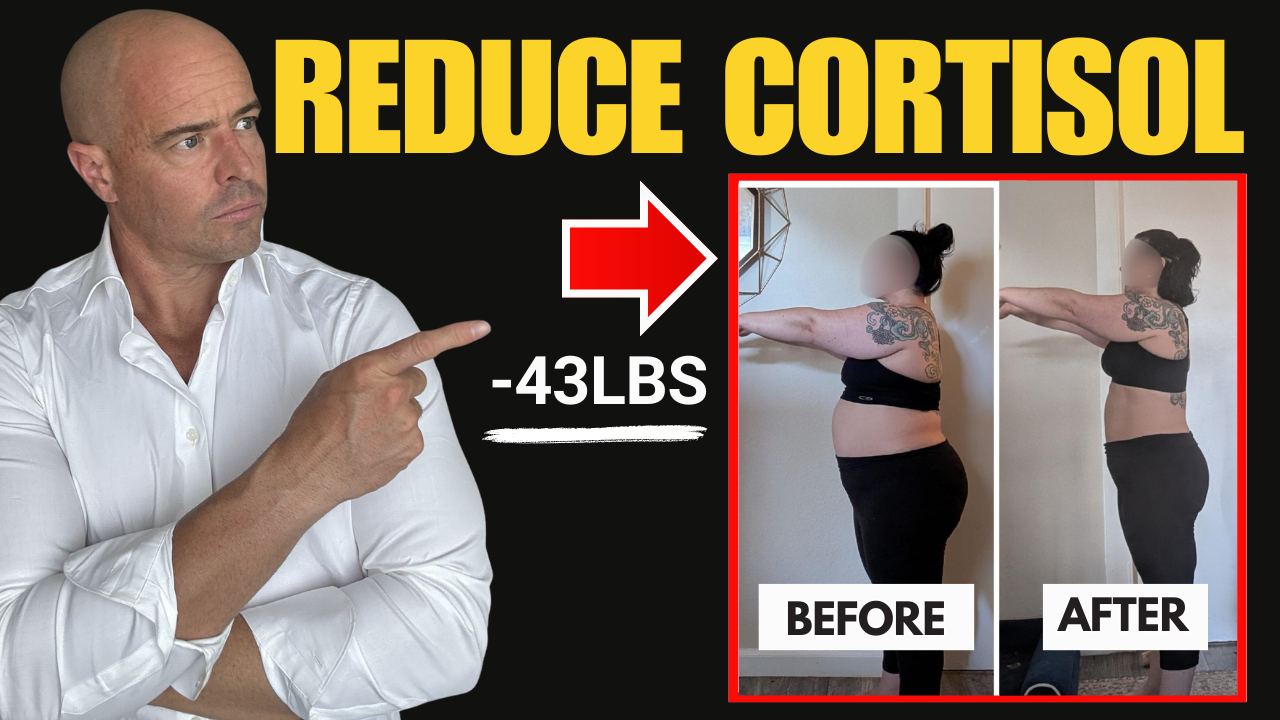
A Real Example: Resetting Cortisol to Release Weight
Many people believe stubborn weight gain requires extreme diets or medications.
But often the solution involves restoring balance.
For example, a woman named Sarah came into one of my programs after gaining 25 pounds over several years.
She had tried:
- Keto
- Intermittent fasting
- Bootcamp workouts
- High-intensity exercise programs
Nothing worked.
Instead of pushing her harder, we focused on restoring rhythm.
Her program included:
- Strength training three days per week
- Balanced meal timing
- Adequate protein intake
- Improved sleep
- Stress management
Within 40 days, she lost 25 pounds and more than 20 inches.
More importantly, she reported feeling calm in her body again.
Final Thoughts: Understanding Cortisol and Weight Gain in Women Over 40
Cortisol and weight gain are not simply about willpower.
They are about biology.
For women over 40, hormonal changes, stress patterns, sleep disruption, and lifestyle factors can all contribute to cortisol imbalance.
Understanding how cortisol works allows you to shift from fighting your body to working with it.
When your body receives the right signals, metabolism begins to respond naturally.


